
Writing a funeral ceremony is one of the most sensitive and heartfelt responsibilities I undertake. It begins well before the service day, often with a phone call to a family still coming to terms with their loss. From that very first conversation, I am aware of the sensitivity required. I am stepping into an intensely private moment in their lives, and while I am there to help, my presence may feel unfamiliar or even intrusive at first. That is why I approach each family with gentleness, compassion, patience, and respect for what they are experiencing.

Listening to the Family’s Story
Meeting the family is the crucial part of the process. Every conversation carries it’s own unique tone. Sometimes I meet with a room full of people, each sharing their memories, stories, and perspectives. Other times, the conversation is quieter, with grief making it hard to find the words. My role is to listen attentively and create a safe space where everyone feels comfortable to speak. I also try to notice the quieter voices, gently inviting them to share when the time feels right, because often the smallest memory or detail becomes one of the most treasured parts of the ceremony.
Weaving Memories into a Ceremony
After hearing these stories, I begin the careful task of shaping them into a meaningful ceremony. This involves weaving together the many threads of a person’s life: their relationships, achievements, humour, habits, quirks, and, when appropriate, the more challenging parts of their story as well. For me, a meaningful ceremony isn’t about portraying someone as perfect; it’s about honouring them honestly and lovingly in a way that feels authentic to those who knew them best. I use checklists and resources to ensure nothing important is overlooked, but the heart of the ceremony always comes from the family’s memories and words.
Adapting to Each Family’s Needs
Clear, compassionate communication makes a huge difference at a time when families may feel overwhelmed. Some families prefer face-to-face meetings to discuss everything, while others find it easier to share their thoughts by phone, email, or message. Being flexible allows each family to engage in a way that feels comfortable, manageable, and meaningful.
Working Within Tight Timescales
Time is often one of the greatest pressures. Funeral ceremonies frequently need to be prepared quickly, while families are also making many other important decisions. Clear, kind, and prompt communication helps ease some of that strain. There must be enough time for the family to read the draft, reflect on it, suggest changes, and feel confident that the final ceremony is just right.
When families participate in shaping the ceremony, it becomes even more personal. They may choose readings, select music, share memories, or decide to take part on the day itself. I always encourage families to add, remove, or change anything in the script, because it should feel like their tribute, not just something I have written for them. Their involvement brings warmth, individuality, and love to the ceremony, helping it truly reflect the person at its heart.
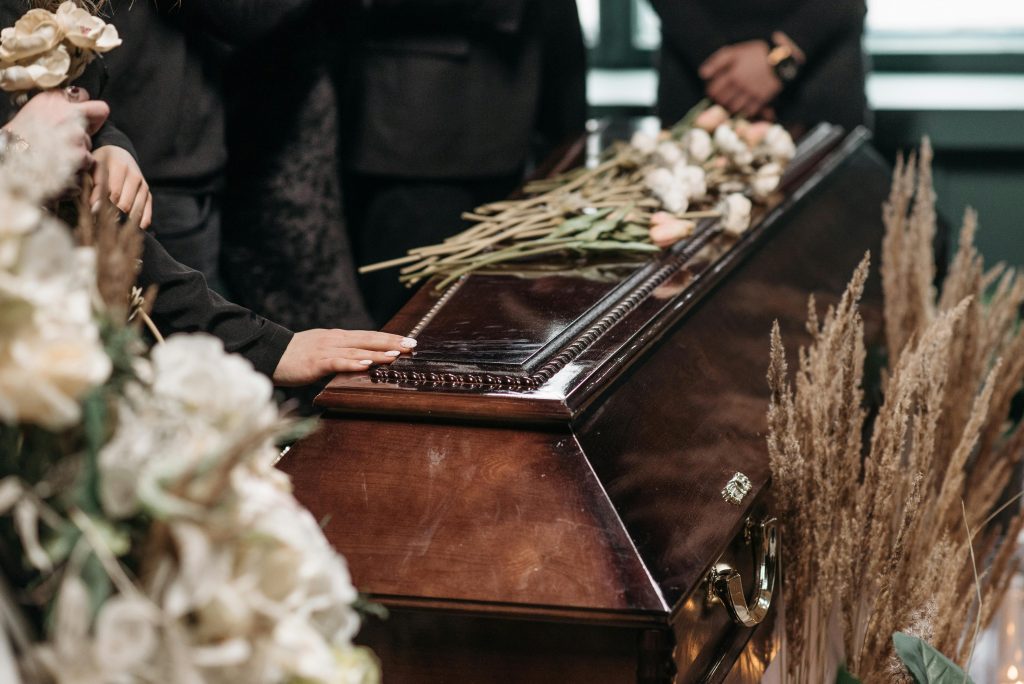
Preparing to Deliver the Tribute
Once the family has approved the final draft, I devote time to rehearsing and preparing myself for the day. Reading the ceremony aloud multiple times helps me feel its rhythm, identify where pauses are needed, and understand how the words should be delivered. This preparation matters because, on the day, I want to be fully present. I strive to deliver the tribute with steadiness, warmth, and respect so the family feels their loved one is being spoken of with genuine care.
Being Present on the Day
On the day of the ceremony, my role extends beyond delivering the words. I am there to welcome the family, offer reassurance, and help them feel supported as they arrive. These moments before the service are often tender and emotional, and sometimes a calm voice, a gentle greeting, or a quiet word of comfort can make a profound difference. I want families to know they are not facing the day alone.
Honouring a Life with Care
Creating a funeral script is a delicate, personal and thoughtful process. It calls for empathy, sensitivity, flexibility and careful attention to detail. Above all, it is about honouring the person who has died and supporting those who loved them. When the ceremony reflects the life, character and relationships of the person at its centre, it can offer comfort, connection and a meaningful way to say goodbye.
I hope this has provided you with a clearer understanding of the process involved in planning a funeral service. Please feel free to reach out if you have any questions.
Leave a Reply